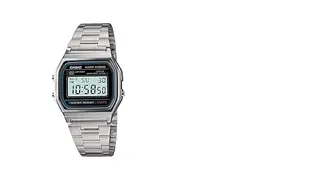
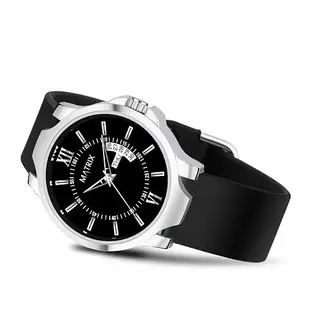
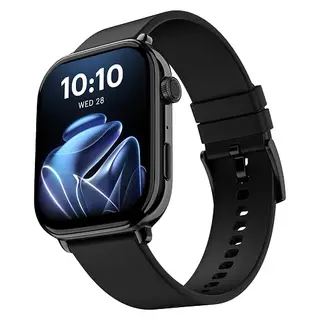
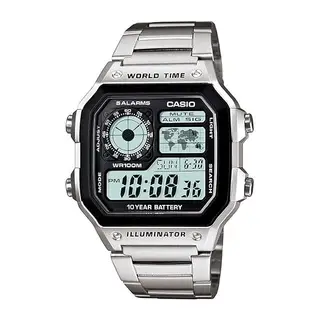
A daily watch in India has to survive sweat, humidity, and the occasional washbasin. Silicone and steel straps handle that. Leather looks better in photos and dies faster if you never dry it.
Water resistance is a number, not a vibe. 30m/3ATM is splashes. 50m is a swim. “Water resistant” with no metre rating is a skip if you will shower with it. Automatic movements need wrist time or a winder; quartz needs a battery every couple of years and otherwise forgets you exist.
Sapphire or mineral glass outlasts cheap acrylic on the dial. Chronographs add bulk. If you want a thin everyday watch, skip the extra sub-dials unless you will use the stopwatch.
Movement type should be stated, not implied. Sellers mix “automatic”, “mechanical”, and “quartz” in titles. That changes service cost. For a first watch under ₹2,000, quartz analog or digital is the low-maintenance default.
Sellers mix “automatic”, “mechanical”, and “quartz” in titles. That changes service cost. For a first watch under ₹2,000, quartz analog or digital is the default that forgets you exist until the battery dies.
We are not a watchmaker. Metre ratings and strap material are the two numbers that decide whether the piece survives an Indian summer.
Sweat plus attar plus a washbasin is a harsher lab than a watch campaign. Leather at a budget price in humidity is a short story. Quartz analog or digital is still the adult default under a tight cap.