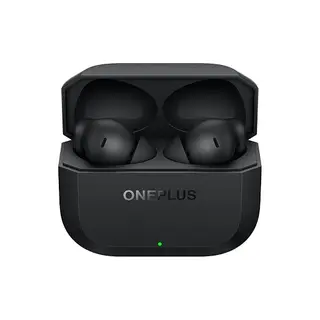
Most people in India buy earphones for commute, calls, and a cheap gym session — not for studio monitoring. Battery claims on true-wireless listings add the case. The number that matters is hours on one charge of the buds themselves, usually 4–8 hours, not the 40-hour case total.
ANC is worth money on a metro or a flight. At a desk it is optional. IPX4 is enough for sweat; it is not swimming. Call quality is a separate product from music tuning — read reviews that mention the mic on a noisy street, not just bass.
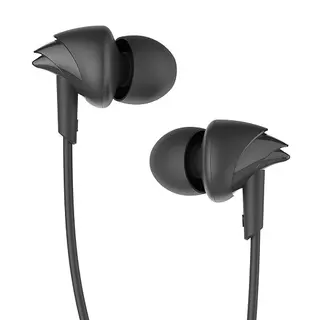
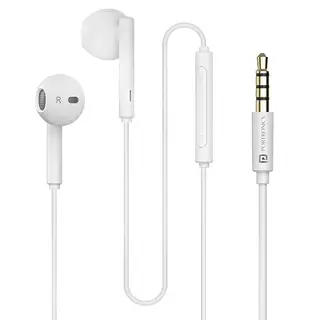
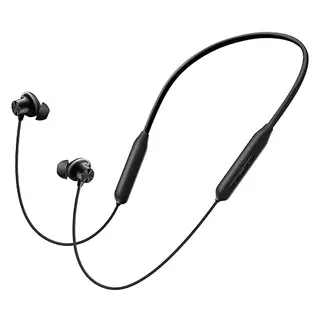
Fit beats brand. A ₹1,999 pair that stays in your ear will beat a ₹4,000 pair you constantly reseat. Neckbands still make sense if you hate charging a case or you lose small buds. Wired USB-C is the honest pick when latency and pockets matter more than wireless.
Bluetooth 5.0 and up is table stakes in 2026. Older radios drop on crowded 2.4GHz in offices. Dual-device pairing is useful if you hop between a phone and a laptop; skip it if you only use one device.
Offices and metros in India are crowded 2.4GHz. Older Bluetooth drops. Dual-device pairing is useful if you hop phone and laptop; skip it if you only use one.
We are not a headphone review lab. These notes are how to shop the category without paying for a graph you will not hear on a bus.
True-wireless ads in India still add case hours to the headline. Commuters on local trains care about one charge of the buds and whether a bud survives a crowded door. If you lose small things, a neckband is not a downgrade — it is a different product.